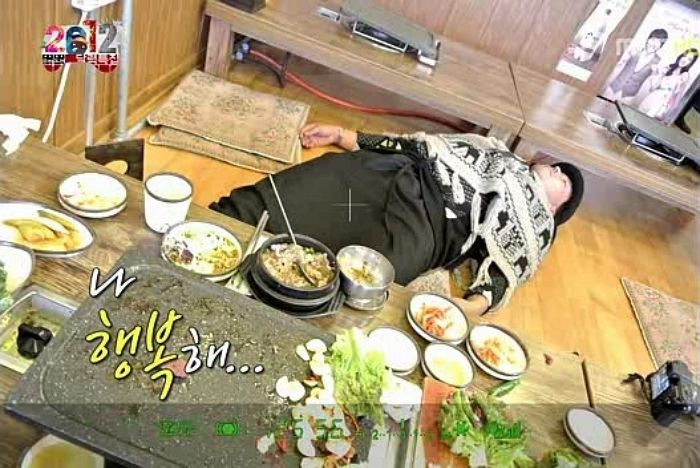
Yes, indirectly — lying down after meals is not itself directly fattening through some unique metabolic effect, but the surrounding behaviors it reflects (postprandial sedentary time, late-night eating, poor sleep timing) are consistently linked to impaired glucose control and higher obesity risk, while postprandial activity has the opposite effect.
Mechanistically, replacing time spent sitting or lying down after a meal with even light physical activity improves postprandial glucose handling substantially — walking after meals lowers postprandial glucose more effectively than the same activity done at other times of day.[1] Conversely, prolonged sedentary behavior (including lying down) reduces insulin sensitivity independent of any change in weight or caloric intake, and chronic excessive sedentary time promotes insulin resistance, a shift toward carbohydrate/fat storage, and increased visceral fat over time.[2][3]
Late meals plus lying down/sleeping soon after appear to compound this risk. Night-time eating is associated with reduced diet-induced thermogenesis, greater postprandial glucose excursions, suppressed melatonin, impaired lipid oxidation, and increased visceral fat accumulation compared with identical meals eaten earlier in the day.[4] Evidence linking meal timing itself to obesity is heterogeneous — some studies show increased risk with late dinners while others show no association or even reduced risk with later "supper," reflecting differences in meal composition and behavior rather than a uniform causal timing effect.[5]
Sleep quality and duration also interact with this pathway: short or poor-quality sleep raises ghrelin, lowers leptin, and increases food cravings and hyperphagia, and insufficient sleep independently worsens postprandial glucose regulation.[6][7][8] Notably, substituting sedentary time specifically with more sleep does not confer the same cardiometabolic benefit as substituting it with physical activity — it produces small unfavorable or neutral effects on adiposity markers, unlike physical activity which shows dose-dependent benefit.
Practical takeaway: occasional post-meal reclining is unlikely to cause weight gain on its own, but habitually lying down immediately after eating — especially with large or late meals and combined with short/poor sleep — displaces the postprandial activity that helps control glucose and may compound obesity risk over time.[4][1][2][3] Advising a short walk or upright activity after meals, particularly the largest meal of the day, is a reasonable evidence-based recommendation.
References
- Diet, physical activity, and sleep in relation to postprandial glucose responses under free-living conditions: an intensive longitudinal observational study. Yao J, Brugger VK, Edney SM, et al. The International Journal of Behavioral Nutrition and Physical Activity. 2024;21(1):142. doi:10.1186/s12966-024-01693-5.
- Sedentary Behavior and Cardiovascular Morbidity and Mortality: A Science Advisory From the American Heart Association. Young DR, Hivert MF, Alhassan S, et al. Circulation. 2016;134(13):e262-79. doi:10.1161/CIR.0000000000000440.
- Physiology of Sedentary Behavior. Pinto AJ, Bergouignan A, Dempsey PC, et al. Physiological Reviews. 2023;103(4):2561-2622. doi:10.1152/physrev.00022.2022.
- Circadian nutrition and obesity: timing as a nutritional strategy. Alum EU. Journal of Health, Population, and Nutrition. 2025;44(1):367. doi:10.1186/s41043-025-01102-y.
- Meal time and meal regularity: is it associated with pediatric obesity? A systematic review and meta-analysis. Prawitasari T, Satari HI, Theola J. International Journal of Obesity (2005). 2026;50(8):1622-1637. doi:10.1038/s41366-026-02092-5.
- Interactive effects of sleep duration and dietary patterns on obesity moderated by age. Lin LY, Hsu CY, Chao JC, Chien YN, Chiou HY. Scientific Reports. 2025;15(1):34548. doi:10.1038/s41598-025-17886-2.
- The relationships between sleep and adiposity amongst multi-ethnic Asian populations: a cross-sectional analysis of the Health for Life in Singapore (HELIOS) study. Lam CCB, Mina T, Xie W, et al. International Journal of Obesity (2005). 2025;49(4):596-604. doi:10.1038/s41366-024-01666-5.
- Impact of insufficient sleep on dysregulated blood glucose control under standardised meal conditions. Tsereteli N, Vallat R, Fernandez-Tajes J, et al. Diabetologia. 2022;65(2):356-365. doi:10.1007/s00125-021-05608-y.
'의학공부' 카테고리의 다른 글
| 달리기, 많이 하면 연골 닳는가? (0) | 2026.09.17 |
|---|---|
| 과민성대장증후군, 저FODMAP 다이어트는 어떻게 할까? (0) | 2026.09.17 |
| 비타민C 메가도즈, 어디에 효과가 있을까? (0) | 2026.09.14 |
| 근이완제, 근합성을 방해하나요? (0) | 2026.09.06 |
| 운동 후 근육통, 근비대의 조짐일까? (1) | 2026.09.06 |


